
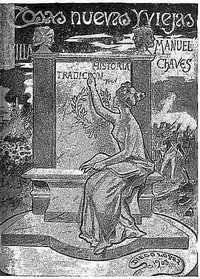
Cosas nuevas y viejas (apuntes sevillanos) by Manuel Chaves Rey
Manuel Chaves Rey's Cosas nuevas y viejas (apuntes sevillanos) is a book of moments, not a single narrative. Published in the early 20th century, it's a series of short essays and observations that capture Seville at a crossroads. Chaves Rey acts as our guide, strolling through plazas, peering into churches, and chatting with locals. He documents everything from grand religious processions and the quiet beauty of a hidden courtyard to the arrival of electric streetlights and the changing sounds of the market. The book has no traditional plot, but its heartbeat is the contrast he sees everywhere: the ancient customs bumping against new inventions, the old stone walls facing modern construction.
The Story
There isn't a linear story with a beginning, middle, and end. Instead, think of it as a literary scrapbook. Each chapter is a snapshot. One moment, he's describing the solemn, timeless ritual of Holy Week. The next, he's musing about how the new tram lines are altering the flow of city life. He writes about legendary local figures, forgotten taverns, and the peculiar charm of everyday scenes. The 'story' is the life of the city itself, unfolding in a hundred small vignettes. It's about watching history happen in real-time, not in history books, but in the streets where people live.
Why You Should Read It
I loved this book because it feels incredibly personal and immediate, even though it's over a century old. Chaves Rey isn't a distant academic; he's a concerned citizen and a proud sevillano. His writing is filled with affection, but also with a sharp eye for what might be slipping away. You get a real sense of his personality—his humor, his nostalgia, his curiosity. Reading it today, it becomes a double portrait: a picture of Seville in 1900, and a timeless reflection on how all cities evolve. It makes you look at your own hometown differently, noticing the layers of old and new that you might usually walk past.
Final Verdict
This is a perfect book for a specific kind of reader. If you adore travel writing, urban history, or books that make you feel deeply immersed in a place, you'll find it captivating. It's also great for anyone interested in Spain's cultural history. It's not for someone looking for a fast-paced novel or a clear argument. It's a book to savor slowly, like sitting in a plaza with a coffee and just watching the world go by. Think of it as a long, beautifully written letter from the past, reminding us that the struggle between preserving tradition and embracing progress is nothing new.
No rights are reserved for this publication. Use this text in your own projects freely.
Ashley Thomas
1 year agoThe formatting on this digital edition is flawless.
Paul Lewis
7 months agoI had low expectations initially, however it provides a comprehensive overview perfect for everyone. One of the best books I've read this year.
Margaret Lopez
1 year agoI started reading out of curiosity and the emotional weight of the story is balanced perfectly. This story will stay with me.
Oliver Brown
2 years agoHonestly, it provides a comprehensive overview perfect for everyone. I will read more from this author.



Barbara Lopez
1 year agoVery helpful, thanks.